
Step-by-Step: Mastering Autel EV Scanners for HV Systems
As the Australian automotive landscape rapidly transitions toward electric mobility, traditional ICE-based diagnostic approaches are no longer enough. For modern workshops, High-Voltage (HV) systems—the beating heart of every EV—demand a new standard of precision.
To remain competitive in the Australian repair industry, technicians need diagnostic solutions that go beyond generic fault codes. In this guide, we explore how to leverage Autel’s advanced EV diagnostic suite to navigate the complexities of Battery Management Systems (BMS) and power electronics with confidence.
Why Generic Scanners Fail in the Modern EV Workshop
In the Australian automotive sector, we are seeing an influx of diverse EV brands, from premium European imports to reliable Asian manufacturers. Generic OBD2 tools often lack the communication protocols required to "talk" to these proprietary systems.
Autel EV scanners (Ultra EV, MS919EV, and MS909EV) bridge this diagnostic gap by providing:
-
Deep BMS Integration: Communicate directly with individual cell modules and temperature sensors to pinpoint degradation.
-
Active Actuation: Take control of the vehicle’s components—manually cycle A/C compressors and PTC heaters to isolate wiring issues from hardware failures.
-
Intelligent Topology: Visualize the entire vehicle’s communication network to instantly identify where a signal is lost.
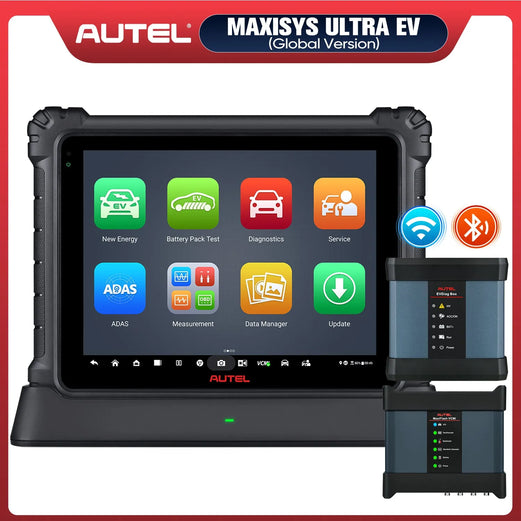
Autel MaxiSYS Ultra EV
The ultimate flagship for EV diagnostics. Features the 5-in-1 VCMI, advanced topology mapping, and online programming to tackle any high-voltage system fault.
View Product DetailsThe 3 Pillars of Precise EV Diagnostics
1. Granular Battery Health Analysis
The battery pack is the single most valuable asset in any EV. Autel tools allow you to perform:
-
SoH & SoC Monitoring: Precise, real-time assessment of battery capacity and longevity.
-
Cell-Level Balancing: Identify "lazy" or failing cells by comparing individual voltage data. If a module shows Red on the Autel grid, you have found your exact point of imbalance.
-
Thermal Profiling: Detect cooling inefficiencies that could lead to premature cell failure.
2. Industry-Standard SoH Validation
Guesswork is not an option when charging for professional diagnostics. Autel provides two robust validation methods:
-
Static Charging Analysis: Monitor energy intake during a Level 2 AC charge to generate a comprehensive, factory-standard health report.
-
Dynamic Load Testing: Assess how the pack performs under real-world acceleration and regenerative braking, providing a holistic view of the battery's health.
3. Power Electronics (PE) & Auxiliary System Isolation
Isolate faults in the Power Electronics unit by utilizing Universal Pinout tools and guided diagnostic flows:
-
DC-DC Converter Verification: Ensure the 12V auxiliary system is being maintained correctly.
-
OBC Validation: Pinpoint failures in AC-to-DC conversion during the charging process.
-
Hardware Bench Testing: Perform controlled tests on auxiliary units, such as cabin heaters and compressors, to determine the root cause of an HVAC system failure.
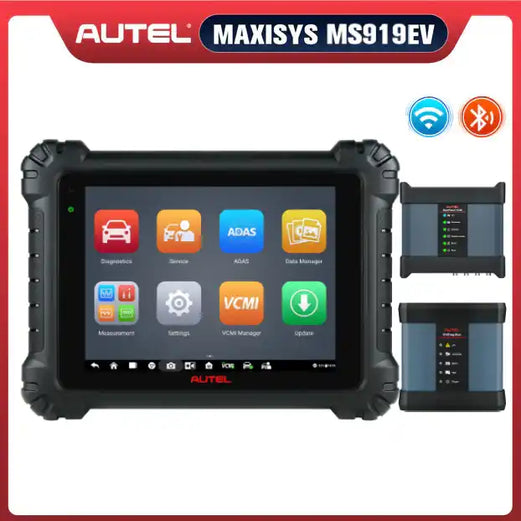
Autel MaxiSYS MS919EV
High-performance diagnostic tablet with powerful VCMI, optimized for professional EV battery health analysis and component-level testing.
View Product DetailsStep-by-Step Diagnostic Workflow
-
Secure Connection: Connect your VCMI to the OBD-II port. For complex battery bench testing, utilize the provided Autel EV adapter kit.

-
BMS Verification: Utilize the Auto-VIN feature to match the vehicle’s specific profile and confirm that the BMS firmware version is detected correctly.
-
Comprehensive Analysis: Monitor voltage deltas and thermistor readings. Use the visual dashboard to identify modules that deviate from the standard baseline.

-
Capacity Validation: Run the SoH test protocol to provide your client with a definitive, printed performance report.
-
Actuation & Isolation: Command the suspect component through the scanner. If it fails to respond to a manual command, the fault is isolated to the component hardware, not the signal bus.

Safety First: Australian Workshop Standards
Working with 400V/800V systems carries significant responsibility. Always adhere to:
-
PPE Standards: Wear Class 0 certified high-voltage insulated gloves.
-
LOTO Procedures: Always execute Lockout/Tagout procedures to de-energize the system before starting repairs.
-
Manual Compliance: Strictly follow the manufacturer-specific isolation protocols found in your vehicle service manuals.
Why Invest in Autel EV Solutions?
For Australian workshops, the "EV transition" is no longer coming—it’s here. Investing in the Autel MaxiSYS series is the most effective way to:
-
Maximize Shop Throughput: Reduce diagnostic time from hours to minutes.
-
Increase Revenue: Offer value-added battery health certification services.
-
Future-Proof Your Business: Retain customers as their ICE vehicles are replaced by EVs.
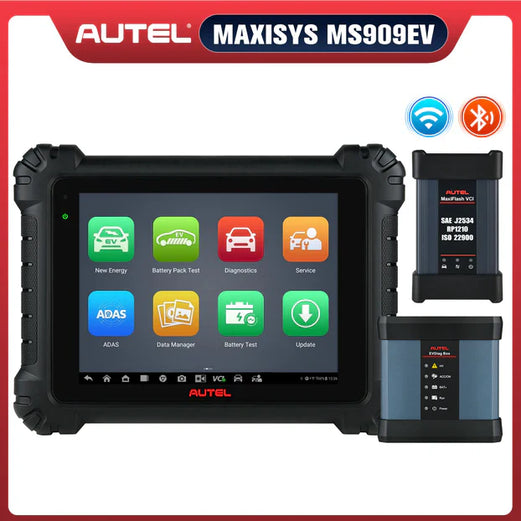
Autel MaxiSYS MS909EV
The perfect foundation for any shop. Comprehensive EV diagnostic capabilities, dedicated BMS testing, and user-friendly interface.
View Product DetailsConclusion
EV diagnostics shouldn’t be a source of frustration. With the right equipment, training, and a diagnostic partner like Autel, you can transform these high-voltage challenges into a sustainable revenue stream.
Ready to lead the EV revolution in your area? [Explore our complete range of Autel EV Scanners here] and equip your shop for the future.
Disclaimer: This guide is intended for professional use and diagnostic reference. Always consult the specific vehicle manufacturer’s service manual and local Australian safety regulations before performing any high-voltage service.
